
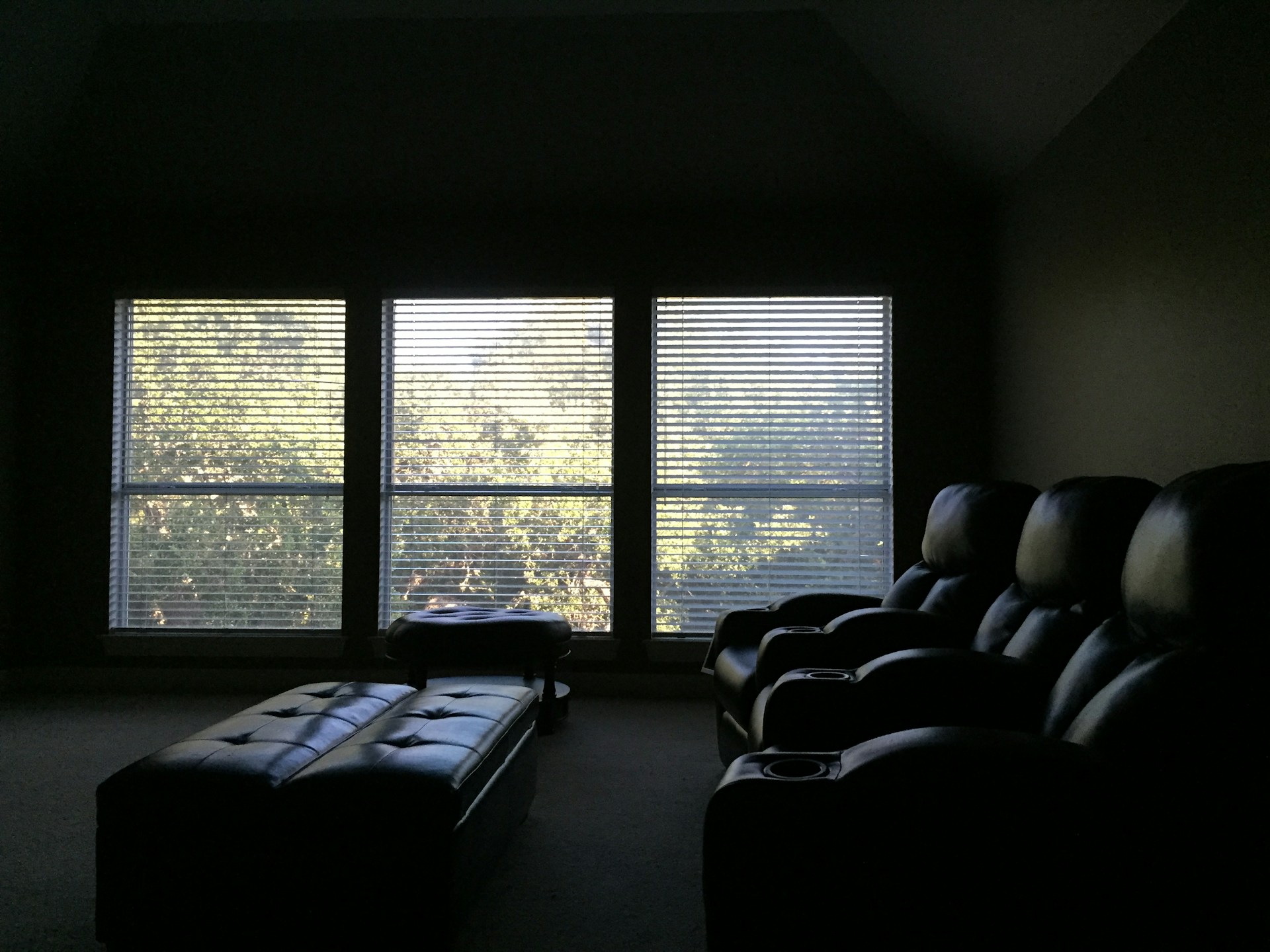
How Shading Automation Can Help Lower Your Energy Bills
Saving money on energy bills is something everyone cares about. One smart way to achieve this is through shading automation. By controlling the amount of sunlight entering your home, you can significantly reduce energy usage for heating and cooling.
Shading automation makes it simple to adjust blinds and curtains automatically, keeping your home comfortable without extra effort. These systems allow you to make the most of natural light when it’s beneficial and block it out when it leads to unnecessary heating. This clever balance lessens the need for air conditioning and heating, directly lowering energy bills.
Beyond saving money, automated shading improves comfort and boosts energy efficiency in your home. Whether it’s to keep your living room bright on a sunny winter day or to cool it down during summer, shading automation provides a practical solution. Embracing this technology means enjoying a pleasant atmosphere in your home all year round while making a positive impact on your energy expenses.
Understanding the Role of Shading in Energy Efficiency
Shading plays an essential role in maintaining energy efficiency in your home. By controlling the amount of sunlight that enters your living spaces, shading solutions like blinds and curtains can help manage indoor temperatures naturally. This reduces the need for artificial heating and cooling, leading to lower energy bills.
Sunlight can be a pleasant and natural source of warmth during cooler months, but it can quickly become overwhelming in the summer. The right shading solutions can help block excessive heat, keeping interiors cooler without over-relying on air conditioning. This balance not only makes your home more comfortable but also cuts down on energy consumption.
There are several ways that shading affects energy efficiency:
- Heat Reduction: By blocking direct sunlight, you can dramatically decrease indoor temperatures, reducing the need for air conditioning.
- Insulation: Well-chosen shading options can also provide an additional layer of insulation, keeping warmth in during winter months.
- Glare Control: Effective shading reduces glare, making it easier to enjoy natural light without the need for extra lamps or lighting.
- UV Protection: Shading helps protect furniture and floors from fading due to prolonged sun exposure, maintaining their quality and lifespan.
Implementing efficient shading techniques enhances comfort and lessens the environmental impact by minimising unnecessary energy use.
How Automated Shading Systems Reduce Heating and Cooling Costs
Automated shading systems play a crucial part in reducing heating and cooling costs by seamlessly adjusting to the sun’s position throughout the day. These smart systems automatically move blinds and curtains to optimise light and heat entry, ensuring your home remains comfortable all year round.
By using automated shading, you can take advantage of natural daylight in winter when it provides needed warmth and block it during the hot summer days to cool down indoor spaces. This smart adjustment reduces the demand on air conditioners and heaters, lowering your energy bills effectively.
Here are some key ways automated shading systems contribute to cost savings:
- Smart Timers and Sensors: These systems use sensors to detect sunlight levels, automatically adjusting blinds based on the sun’s intensity. This helps maintain an ideal indoor temperature without manual intervention.
- Energy Efficiency Programs: Many automated systems come with pre-set programs that adjust shading based on energy-saving schedules, which optimise savings while maintaining comfort.
- Room-by-Room Control: Different rooms have different needs, and automated shading allows for custom settings in each space, providing targeted energy reduction.
- Seasonal Adjustments: As seasons change, so does the need for heating and cooling. Automated systems automatically adapt to these shifts, providing energy savings all year long.
Automated shading systems are a practical and straightforward solution for those looking to cut back on energy expenses while enjoying a comfortable, well-lit home environment.
Maximising Natural Light While Minimising Energy Usage
Making the most of natural light while keeping energy consumption low is an art that shading automation perfects. Maximising sunlight indoors reduces the need for artificial lighting, thus cutting down electricity usage. By carefully positioning shading devices, you can let in just the right amount of daylight to brighten spaces without allowing heat to escape or excessive warmth to enter.
Automated shading systems adjust based on sunlight and time of day, helping to maintain a consistent level of natural light throughout. This not only keeps rooms bright and welcoming, but also reduces the dependency on electric lights, leading to significant energy savings.
Consider these strategies to maximise light while saving energy:
- Adjustable Shade Settings: Program your shading system to incrementally open or close based on sunlight intensity and angle, maintaining an ideal balance of light and shade.
- Directional Shading: Use blinds that allow you to control the direction of incoming light, minimising glare but maximising illumination.
- Seasonal Light Control: Adjust shading devices seasonally to capture more light in winter or block harsh summer rays, keeping indoor climates stable.
- Efficient Use of Skylights: Automated shading for skylights can control overhead lighting, capturing sunlight when needed and blocking excess heat.
These tactics ensure you enjoy natural light’s advantages while keeping energy expenses in check, resulting in comfortable and cost-efficient living spaces.
Integrating Shading Automation with Smart Home Technologies
Linking shading automation with smart home technologies takes energy savings to the next level. When integrated with other smart devices, shading systems can communicate with thermostats, lighting, and home assistants, creating a harmonious and energy-efficient environment.
Smart home integration allows shading systems to be more adaptive and responsive. For example, when linked to a smart thermostat, shades can adjust automatically to maintain optimal temperature settings, reducing heating or cooling loads.
Here are some ways to integrate shading with smart home systems:
- Voice Control: Connect your shading systems to voice-activated devices, offering hands-free operation for quick adjustments.
- Energy Monitoring: Use systems that track energy usage, showing how adjustments in shading affect overall consumption and savings.
- Programmable Scenes: Set specific scenes that adjust shades, lights, and temperatures together for different times of the day or activities.
- Centralised Control Panels: Manage all smart devices, including shading, from a single interface, providing better control and efficiency.
Integrating shading automation with smart home technologies not only enhances convenience but can significantly reduce energy bills. By creating a truly connected home, you improve both the functionality and comfort of your living space.
Conclusion
Shading automation offers a compelling solution for those seeking to lower energy bills and enhance home comfort. By perfectly balancing light and heat, these systems help maintain the ideal indoor environment, reducing reliance on conventional heating and cooling methods. From maximising natural light to integrating with smart technologies, shading automation transforms how we manage home energy.
As the world continues to embrace smarter solutions, shading automation stands out as a practical step towards more sustainable living. Energy smarter homes mean cost reductions, increased comfort, and a smaller carbon footprint, all of which are vital in today’s eco-conscious times.
Take charge of your energy usage and create a more efficient home environment. Explore the range of energy saving shades and blinds for your space by contacting Infiniti 3 Shading Solutions today. Enjoy the benefits of tailored light and heat control and take the first step towards an eco-friendlier lifestyle.
0 comments